Epic Water Filter Pitcher Review: What the Nano XP Reduces and What It Costs
Published October 29, 2026
As an Amazon Associate we earn from qualifying purchases. This never changes which products we recommend.
Verdict
Worth considering
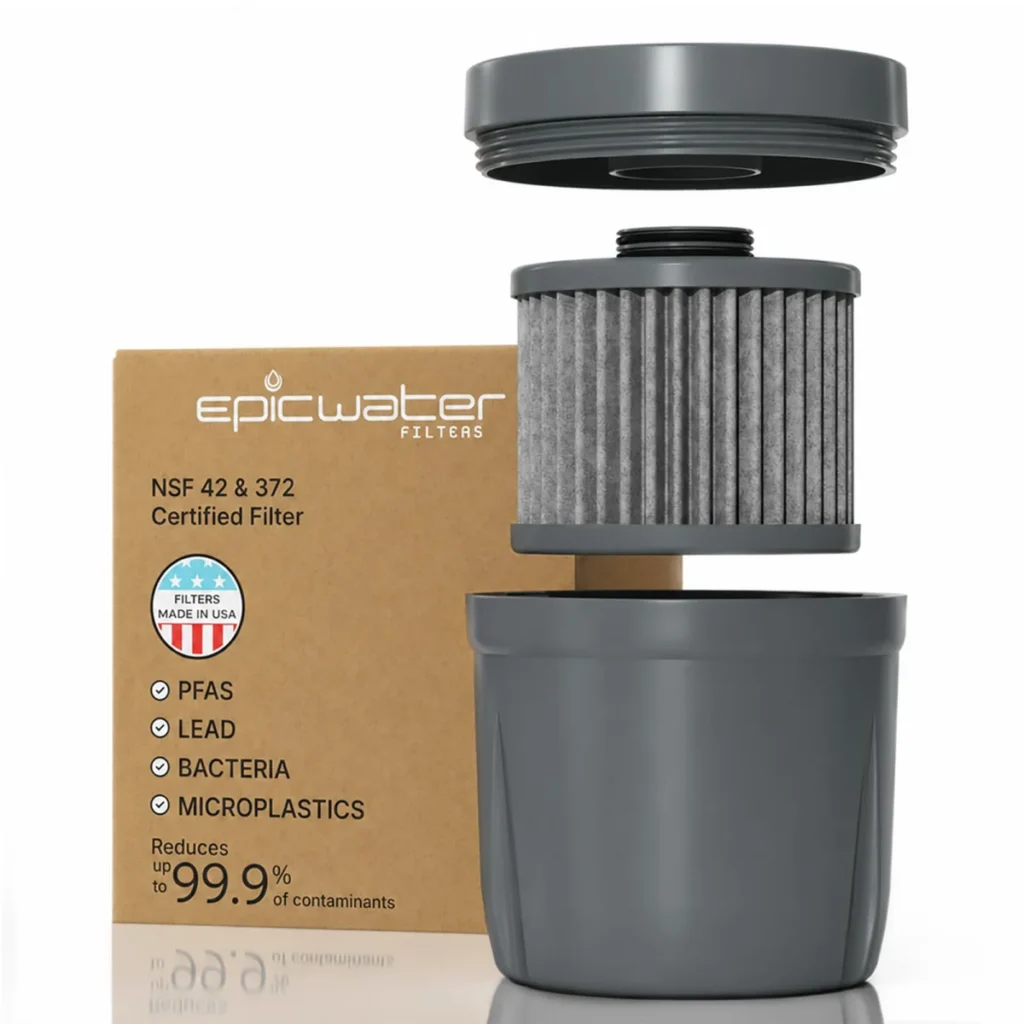
The Epic Water Filters pitcher is worth buying if you rent or otherwise cannot plumb in a filter and want a gravity pitcher whose Nano XP filter is NSF certified to NSF/ANSI 42 and NSF/ANSI 372 and independently tested to NSF/ANSI 53 and NSF/ANSI 401. Its decisive limitation is volume and speed: a 100 gallon cartridge and gravity flow suit one to three people, not a busy family filling pots, and the Nano XP leaves fluoride in the water.
- Best for: Renters who cannot install an under sink filter and want better-tasting tap water, Small households and apartment or dorm dwellers who want a fridge-friendly, no-plumbing option, Anyone in an older building who wants a pitcher filter tested for lead reduction
- Not for: Families filling large volumes daily who need faster flow than gravity provides, Households on a private well with sediment, bacteria or hardness problems, Buyers who want fluoride reduced and will not switch to the Pure XP cartridge
Key takeaways
- Each Nano XP filter is rated for 100 gallons, roughly 3 to 4 months, so plan on about three to four cartridges a year.
- The Nano XP does not reduce fluoride; the Pure XP filter fits the same pitchers and is the option for households that want fluoride reduced.
- A pitcher cannot soften hard water, handle heavy sediment or disinfect bacteria-laden well water, so test a private well before relying on one.
Table of contents11 sections · tap to expand
The Epic Water Filters pitcher is a gravity pitcher: you fill a top reservoir, water drips through a carbon block style cartridge into a lower chamber, and you pour from the spigot. No plumbing, no cold line, no drill hole. This Epic Water filter pitcher review focuses on the two filter options, the Pure and the Nano, because the cartridge you choose decides which contaminants the pitcher addresses.
Is it worth it? For a renter or small household that wants certified reduction of lead, chlorine taste and odor and some PFAS without touching the plumbing, yes, with caveats. The Nano XP filter is rated for 100 gallons and leaves fluoride in the water, and gravity flow is slower than a faucet mount or under sink filter. Buy it for convenience and certification, not for volume.
Specifications
Key specifications
| Specification | Detail | Why it matters |
|---|---|---|
| Type | Replacement filter | The listing covers the cartridge and housing, so confirm which pitcher body you already own or are buying. |
| Certifications | NSF/ANSI 42, NSF/ANSI 53, NSF/ANSI 401 | These standards cover aesthetic effects, health effects and emerging contaminants, which is the basis for trusting the reduction claims. |
| Reduces | Chlorine, Lead, PFAS, Fluoride, Microplastics, Chromium-6, VOCs, Cysts (named in listing) | This is the contaminant list the manufacturer names, and it is the checklist to compare against your local water report. |
| Filter life | 100 gallons | At typical drinking water use that works out to about 3 to 4 months per cartridge, so budget for several replacements a year. |
| Material | Polypropylene (PP) | The housing is plastic, so fridge fit and handling are light, but it is not a metal or glass dispenser. |
| Number of packs | 1 | Each order is a single filter with housing, so multi-packs are not included by default. |
Which Epic filter should you choose, Pure or Nano?
The Nano XP is the filter to pick if you want the broadest contaminant coverage and do not need fluoride reduced. It is NSF certified to NSF/ANSI 42 and NSF/ANSI 372 and independently tested to NSF/ANSI 53, NSF/ANSI 401 and NSF P231, with added PFAS testing to the latest NSF/ANSI/CAN 53 criteria. That combination covers chlorine taste and odor, lead, some PFAS, microplastics, chromium-6 and cysts, and the lead-free materials claim rests on NSF/ANSI 372.
The Pure XP is the alternative for households that specifically want fluoride reduced, because the Nano XP leaves naturally occurring fluoride in the water. Both fit every Epic pitcher, including Pure, Pure XP, Nano and Nano XP, plus Epic Pure XP dispensers, so the choice is about the cartridge, not the body. Check the manufacturer performance data sheet for the exact reduction figures before you buy, and match the filter to what your local water report actually lists.
What the Epic Water pitcher cannot do
A gravity pitcher is not a water softener and does not remove hardness minerals, so it will not stop scale in a kettle or on fixtures. It also is not built for heavy sediment or for disinfecting water: the Nano XP listing names cysts among the contaminants it helps reduce, but a pitcher is not a treatment system for bacteria-laden private well water, and a lab test should come first.
Volume is the other limit. A 100 gallon cartridge is generous for one or two people but tight for a family that drinks several pitchers a day, and gravity flow is slower than a faucet mount or under sink filter. If you need high volume, whole house protection or softened water, a pitcher is the wrong format and a plumbed system is the right one.
Filter life, replacement schedule and yearly cost
A 100 gallon rating sets the replacement rhythm: a single household typically works through three to four cartridges a year, and the count rises if the same pitcher supplies cooking water as well as drinking water. Track gallons poured rather than the calendar, because a two-person kitchen and a five-person kitchen will not hit the limit on the same schedule.
The design reduces waste and cost over time: the first purchase includes the outer housing, and later replacements are the inner cartridge alone, reusing the housing to cut filter plastic waste by up to 75%. The manufacturer also states the Nano XP replaces over 1,000 single-use 12 ounce bottles per filter, which is the practical way to think about the tradeoff between cartridge cost and bottled water.
Flow, reservoir capacity and fridge fit
Gravity pitchers are slower than pressurized filters by design, and the Nano XP's dual-layer nano pleated media is described as up to 30% faster flowing than previous Epic pitcher filters. That helps, but expect to wait while the reservoir drains, especially after a full refill, and plan to keep a second pitcher or a faucet mount if you need water immediately.
Fridge fit depends on the pitcher body rather than the cartridge, and the listing does not give dimensions for the pitcher itself, so measure your shelf before buying. The polypropylene housing is light and the format needs no plumbing, which is why it suits apartments, dorms and travel, but a full reservoir is heavy to lift and pour for some users.
Is an Epic pitcher the right format versus a faucet mount or reverse
Choose the Epic pitcher if you rent, cannot modify plumbing and want a certified filter you can move between kitchen and fridge. A faucet mount gives faster flow from the tap without a reservoir, and an under sink or reverse osmosis system gives the highest volume and, in the case of reverse osmosis, reduction of dissolved contaminants such as fluoride and arsenic, at the cost of installation, wastewater and a higher upfront price.
For a household worried about lead in an older building, a pitcher tested for lead reduction is a reasonable stopgap while you check your local water quality report. For a private well, test the water with a certified lab first, because the right system depends on what the test finds, and no pitcher should be treated as a guarantee of safe water.
Strengths and weaknesses
Pros and cons
Pros
- No plumbing, no drill hole and no permanent change, which suits renters and dorms
- Nano XP filter is NSF certified to NSF/ANSI 42 and NSF/ANSI 372 and independently tested to NSF/ANSI 53, NSF/ANSI 401 and NSF P231
- Reusable housing cuts filter plastic waste by up to 75% on later replacements
- Fits every Epic pitcher and Epic Pure XP dispenser, so upgrading the cartridge does not mean replacing the pitcher
Cons
- The Nano XP does not reduce fluoride, so households wanting fluoride reduced must switch to the Pure XP
- 100 gallon filter life means several cartridge changes a year for regular use
- Gravity flow is slower than a faucet mount or under sink filter
- A pitcher does not soften hard water or treat bacteria-laden well water
Other options
Alternatives to consider
Brita Large 10-Cup Elite Pitcher

Choose the Brita Elite if you want a larger 10 cup reservoir, a six month filter life and a fridge-friendly pitcher, and you do not need the Epic Nano XP's broader contaminant testing.
Common questions
Frequently asked questions
Does the Epic Water pitcher remove fluoride?
The Nano XP filter does not reduce fluoride, so naturally occurring fluoride stays in the water. Confirm the reduction figure on the manufacturer performance data sheet before relying on it.
How often do you change an Epic Water pitcher filter?
Each Nano XP filter is rated for 100 gallons, which the manufacturer describes as about 3 to 4 months of use. Heavy drinking and cooking water will shorten that interval, so track gallons rather than the calendar. Replace the inner cartridge and reuse the housing.
Is the Epic Water pitcher NSF certified?
Certification applies to the filter, not to the pitcher body. Check the certification listing for the exact model you buy.
Does the Epic Water pitcher remove lead?
Lead is named among the contaminants the Nano XP helps reduce, and the filter is independently tested to NSF/ANSI 53, the standard that covers lead reduction. Check the performance data sheet for the specific reduction figure and compare it with your local water report.
Can you use an Epic Water pitcher with well water?
A pitcher can improve taste, but it is not a treatment system for private well water. Test the well with a certified lab for bacteria, nitrates, iron, hardness and pH first, then choose a system that matches the results. Follow local authority guidance during any contamination event.
How much does it cost to run an Epic Water pitcher for a year?
Running cost depends on cartridge price and how many you use, and at 100 gallons per filter a single household typically needs three to four a year. Later replacements are the inner cartridge alone, which keeps the yearly cost below buying a new housing each time.
Bottom line
Should you buy the Epic Water Filters Pitcher?
Buy the Epic Water Filters pitcher if you rent or cannot plumb in a filter and want a certified, no-install option for better-tasting water and lead reduction. Choose the Nano XP for the broadest contaminant coverage, or the Pure XP if fluoride reduction matters to you.
Skip it if you need high volume, softened water or treatment for a private well, where a plumbed system or a lab test comes first. If a larger reservoir and longer filter life matter more than the Epic's broader testing, the Brita Elite is the closer fit.
Keep reading
AlexaPure Water Filter: Honest Look at Claims, Cartridge Cost and Fit
AlexaPure Water Filter review: contaminant reduction, filter type and filter life, honest pros and cons, and a clear verdict on who should…
Best Brita Filter Review: Who It Suits and Who Should Skip It
Best Brita Filter review: filter type, contaminants reduced and filter life in, honest pros and cons, and a clear verdict on who…
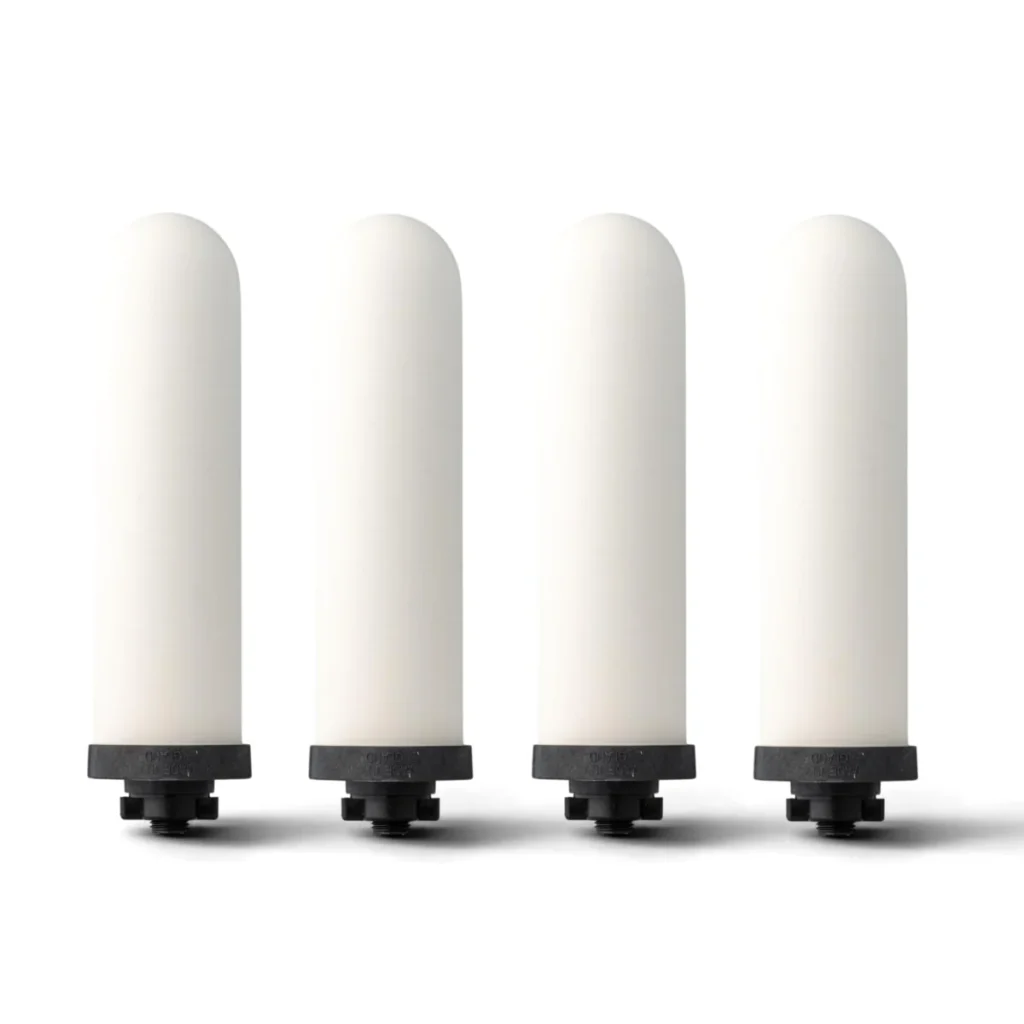
Doulton Ceramic Filter Review: What It Removes and What It Leaves Behind
Is the Doulton Filter worth it? Our review weighs filter media, contaminant coverage and format, its pros and cons, and who should…