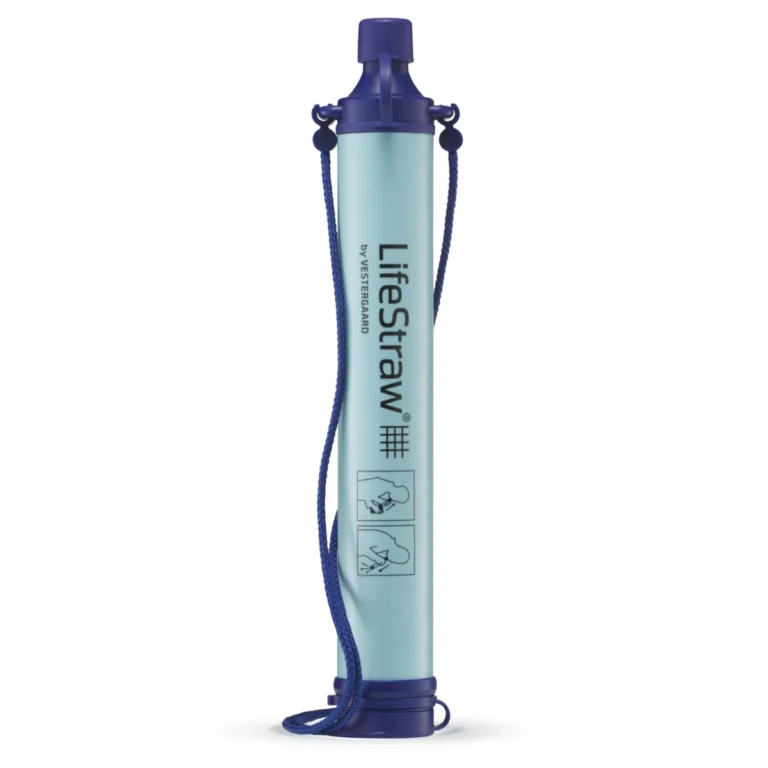
Canopy vs Jolie Shower Head: Certified Filtration and Yearly Cartridge Cost
Published October 29, 2026
As an Amazon Associate we earn from qualifying purchases. This never changes which products we recommend.
The Canopy vs Jolie Shower Head decision is not a straight head-to-head: Canopy is sold as a complete filtered shower head, while the Jolie side in this comparison is a three-pack of compatible replacement cartridges sized for the Jolie shower head. Choose Canopy if you want a new filtered head with a three-stage cartridge and no tools; choose the Jolie-compatible cartridge pack if you already own a Jolie head and want a lower-cost way to keep it running.
Both sides use activated carbon and KDF media and both are aimed at chlorine and the minerals that make hard water noticeable. Neither softens water in the sense a salt-based softener does, and neither carries a listed NSF/ANSI 42 or 53 certification in the available product information. The practical difference is what you are buying: a head versus cartridges.
Quick verdict
Canopy is a complete three-stage filtered shower head with a tool-free install and a single cartridge; Jolie Shower Head here is a three-pack of compatible cartridges for an existing Jolie head.

Canopy
Complete head, no tools
Choose Canopy if you want to replace the shower head itself and get filtration without any plumbing work.
Jolie Shower Head
Cartridge refill pack
Choose Jolie Shower Head if you already have a Jolie shower head and need replacement cartridges in a three-pack.
Key takeaways
- Canopy is a complete shower head; the Jolie side here is a cartridge three-pack, so the two listings are not the same kind of purchase.
- Canopy names chlorine, hydrogen sulfide and heavy metals and says its filtration is tested to NSF-177 standards; the Jolie-compatible cartridges name chlorine and hardness only.
- Canopy installs tool-free on a standard U.S. shower arm; the Jolie cartridges are a drop-in replacement for an existing Jolie head and require no tools either.
- Neither product is a water softener, and neither listing shows an NSF/ANSI 42 or 53 certification for the full unit.
Table of contents9 sections · tap to expand
What is Canopy?
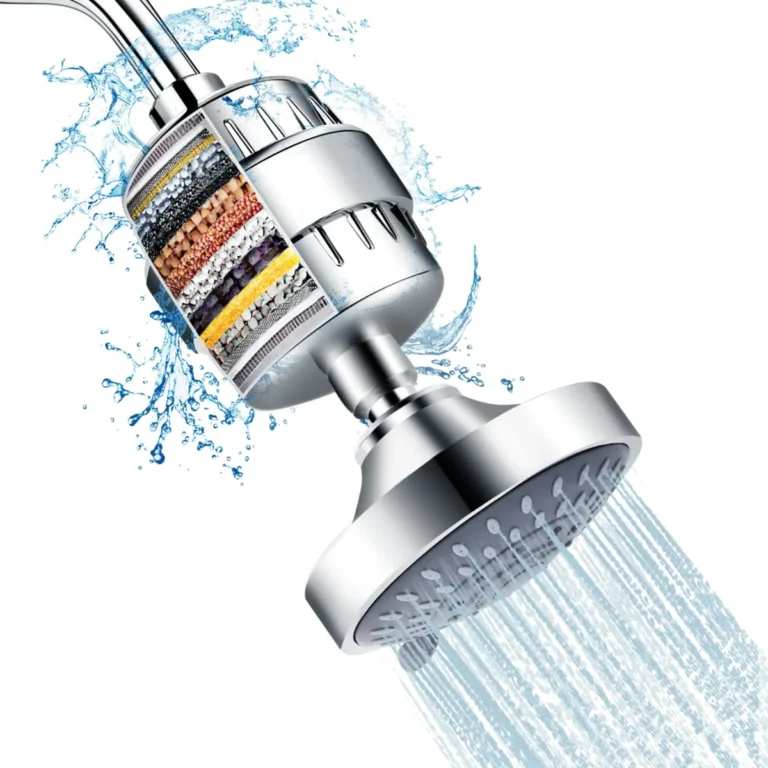
Canopy is a screw-on filtered shower head with a three-stage cartridge using granular activated carbon, KDF-55 and calcium sulfite, sold as a complete unit.
What is Jolie Shower Head?
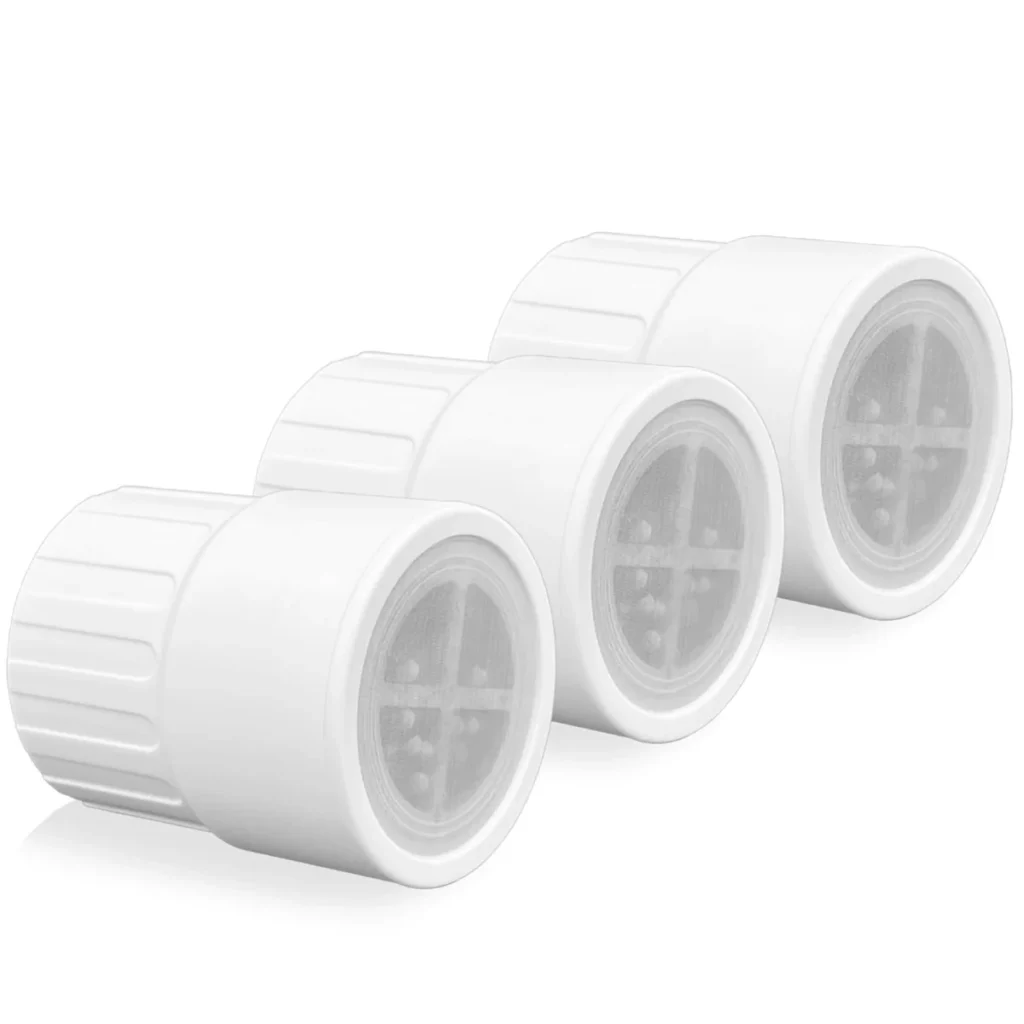
Jolie Shower Head in this comparison is a three-pack of compatible replacement filter cartridges containing KDF55 and activated carbon, sized to fit the Jolie shower head.
At a glance
Canopy vs Jolie Shower Head at a glance
| Criterion | Canopy | Jolie Shower Head |
|---|---|---|
| What it is | Complete filtered shower head | Three-pack of replacement cartridges |
| Contaminants named | Chlorine, hydrogen sulfide, heavy metals, hardness | Chlorine, hardness |
| Certification or testing basis | Tested to NSF-177 standards (per listing) | No standard named |
| Filter media | Granular activated carbon, KDF-55, calcium sulfite | KDF55, activated carbon, mineral beads |
| Filter life | Not stated in the listing | 3 to 5 months per cartridge (per listing) |
| Installation | Tool-free screw-on, minutes | Drop-in cartridge, no tools |
| Flow and pressure | Three spray settings; pressure impact not stated | Listing warns pressure may drop after 2 to 3 weeks as the cartridge loads |
| Housing and finish | Nickel finish, fixed shower head | Cartridge only; no housing or finish |
| Renter friendliness | Reversible: unscrew and take it with you | Reversible only if a Jolie head is already installed |
| Warranty | Not stated in the listing | Not stated in the listing |
Key differences
6 key differences between Canopy and Jolie Shower Head
1. What each one filters and how it is certified
Canopy lists chlorine, hydrogen sulfide, heavy metals and hardness as targets and says its triple-action filtration is tested to NSF-177 standards. NSF/ANSI 177 is a shower head standard, not a drinking water certification, and the listing does not claim NSF/ANSI 42 or 53. The Jolie-compatible cartridge listing names chlorine and hardness and says it contains KDF55 and activated carbon, with no standard named.
The practical consequence: Canopy gives you a broader stated list of contaminants and a named testing basis, while the Jolie cartridges give you a narrower claim. Neither listing provides a performance data sheet with reduction percentages, so treat both as chlorine-and-taste filters first and check the manufacturer's data before relying on either for metals.
2. Filter life and what a year of cartridges looks like
Canopy's listing does not state a filter life in gallons or months, which makes a yearly cost comparison one-sided: you can estimate the Jolie side from the pack, but not the Canopy side from the published information.
That gap matters for a buyer comparing premium filtered shower heads before spending on cartridges. With the Jolie side you know you are buying three cartridges; with Canopy you are buying a head and will need to confirm the replacement interval with the manufacturer. If predictable cartridge budgeting is your priority, the Jolie-compatible pack is the more transparent purchase.
3. Installation: screw-on head versus drop-in cartridge
Canopy installs in three steps on a standard U.S. shower arm with no tools, and the listing says instructions are included. The Jolie-compatible cartridges are a drop-in replacement for an existing Jolie head and also need no tools, but they only help if a Jolie head is already on the wall. One side replaces the fixture; the other maintains it.
For a renter, that difference decides the purchase. Canopy is fully reversible: unscrew it at move-out and take it with you. The Jolie cartridges are reversible only in the sense that you can remove them, but they leave you without a shower head unless the Jolie unit stays behind.
4. Flow rate, pressure and spray feel
Canopy has three spray settings controlled by an adjuster on the nozzle face and is described as a high-pressure shower head, but the listing does not state a GPM flow rate or a pressure drop. The Jolie-compatible cartridge listing warns that water pressure may decrease after 2 to 3 weeks as the cartridge collects impurities, and advises replacing the filter at that point.
That warning is useful: a cartridge that loads with sediment will slow the shower before its rated life ends, especially on hard or dirty water. Canopy's multi-setting face gives you some control over spray pattern, while the Jolie side depends on the head you already own. Neither listing gives a measured flow rate, so judge pressure impact by your own water quality and the cartridge warning.
5. Housing materials, finish and what you actually receive
Canopy is a fixed shower head in a nickel finish with a felt diffuser and signature aromas included. The Jolie-compatible pack contains cartridges only, with no housing or finish, because it is designed to fit the Jolie head. If you are starting from scratch, Canopy is the complete fixture; the Jolie side is a consumable.
This is the clearest difference between the two listings: one is a finished product you see in the bathroom, the other is a refill. A buyer who wants a metal-look finish and a new spray face will find it on the Canopy side; a buyer who already likes their Jolie head is only shopping for media.
6. Hard water, renters and what a shower filter cannot do
Both listings name hardness, but a shower head filter is not a water softener. It can reduce chlorine and some of the minerals that contribute to scale and soap scum at the shower head, but it does not remove calcium and magnesium from the household supply, so scale in pipes, the water heater and appliances continues. For true hardness removal you need a salt-based softener or a salt-free conditioner, which are different products.
For renters, Canopy is the more self-contained option because it replaces the head and can be removed. For a household already using a Jolie head, the cartridge pack is the lower-cost way to keep filtration going. In both cases, check your local water quality report to see whether chlorine, chloramine or metals are the issue, and for a private well, get a lab test before choosing a filter.
Canopy: strengths and limitations
Canopy is a complete three-stage filtered shower head with a tool-free install, a nickel finish and a stated testing basis in NSF-177. It suits a buyer who wants to replace the fixture and get filtration in one purchase.
Strengths
- Complete screw-on shower head with no tools required and a reversible install for renters.
- Three-stage media naming granular activated carbon, KDF-55 and calcium sulfite, with chlorine, hydrogen sulfide and heavy metals listed.
- Three spray settings and a nickel finish, plus a felt diffuser and aromas included.
- Tested to NSF-177 standards according to the listing, giving a named testing basis.
Limitations
- Filter life in gallons or months is not stated, so yearly cartridge cost cannot be estimated from the listing.
- No NSF/ANSI 42 or 53 certification is listed, and no reduction percentages are published.
- It is a shower head filter, not a softener, so household hardness remains.
Canopy Filtered Shower Head
A complete nickel-finished shower head with a three-stage carbon, KDF-55 and calcium sulfite cartridge and three spray settings. It installs tool-free and is the side to pick if you are replacing the fixture itself.
Jolie Shower Head: strengths and limitations
The Jolie Shower Head side here is a three-pack of compatible replacement cartridges using KDF55 and activated carbon, sized to fit the Jolie head. It suits an owner who already has the head and wants a multi-month supply of media.
Strengths
- Three cartridges per pack, each rated for 3 to 5 months, giving roughly 9 to 15 months of coverage.
- Drop-in replacement with no tools, sized to the Jolie head.
- Names chlorine and hardness and uses KDF55 and activated carbon.
- Lower commitment than a new head if you already own the Jolie fixture.
Limitations
- Cartridges only: no housing, finish or spray settings are included.
- No certification or testing standard is named in the listing.
- The listing warns pressure may drop after 2 to 3 weeks as the cartridge loads, which can shorten effective life on dirty water.
Jolie Shower Head Compatible Cartridges
Each cartridge is rated for 3 to 5 months, making this the refill side of the comparison.
Decision guide
Which should you choose?
| If you… | Choose | Why |
|---|---|---|
| Renter with chlorinated city water who wants less chlorine smell at the shower head and cannot change plumbing | Canopy | Canopy screws onto a standard shower arm with no tools, so it can be removed at move-out. |
| Homeowner who already owns a Jolie shower head and is due for new cartridges | Jolie Shower Head | The three-pack is a direct replacement for the Jolie head and costs less than buying a new head. |
| Household with hard water dealing with scale and soap scum | Either | Both list hardness reduction, but neither is a water softener; scale inside the plumbing will continue. |
| Family in an older building worried about metals in the water | Canopy | Canopy lists heavy metals among the contaminants its three-stage media targets; the Jolie cartridge listing does not name heavy metals. |
| Buyer who wants to compare cartridge cost over a year before committing | Jolie Shower Head | The Jolie-compatible pack is sold as three cartridges rated for 3 to 5 months each, so one pack covers roughly 9 to 15 months. |
Choose Canopy if
- You are renting and want a filtered shower head you can unscrew and take with you.
- You want a complete fixture with a nickel finish and three spray settings, not just cartridges.
- You want a stated testing basis (NSF-177) and a broader list of named contaminants including heavy metals.
- You are replacing an old shower head and want filtration without buying a separate head.
Choose Jolie Shower Head if
- You already own a Jolie shower head and need replacement cartridges.
- You want a three-pack that covers roughly 9 to 15 months and makes cartridge budgeting predictable.
- You prefer to keep your existing fixture and spend only on media.
- You have a Jolie head and want a drop-in cartridge with no tools or plumbing.
Common questions
Frequently asked questions
Is Canopy or Jolie shower head better?
Neither is universally better because the two listings are different purchases: Canopy is a complete filtered shower head, while the Jolie side here is a cartridge three-pack. Choose Canopy if you need a new head; choose the Jolie-compatible pack if you already own a Jolie head.
Do shower head filters actually remove chlorine?
Shower head filters using activated carbon and KDF media are designed to reduce chlorine, and both listings name chlorine as a target. They do not remove every contaminant, and neither listing publishes reduction percentages, so check the manufacturer's performance data for specifics.
How often do you replace a Canopy or Jolie filter?
The Jolie-compatible cartridges are rated for 3 to 5 months each, so a three-pack lasts roughly 9 to 15 months. Canopy does not state a replacement interval in its listing, so confirm the schedule with the manufacturer before you buy.
Do filtered shower heads soften hard water?
No. A shower head filter can reduce chlorine and some scale-forming minerals at the shower head, but it does not remove calcium and magnesium from the household supply the way a salt-based softener does. For true softening you need a separate softener or conditioner.
Is either shower head NSF/ANSI 42 or 53 certified?
Neither listing states NSF/ANSI 42 or 53 certification. Canopy says its filtration is tested to NSF-177 standards, which is a shower head standard, while the Jolie-compatible cartridge listing names no standard. Ask the manufacturer for the performance data sheet if certification matters to you.
Can I install either one without a plumber?
Yes. Canopy screws onto a standard U.S. shower arm in minutes with no tools, and the Jolie-compatible cartridges drop into an existing Jolie head without tools. Neither requires plumbing work, and Canopy can be removed at move-out.
Bottom line
The verdict
Choose Canopy when you need a complete filtered shower head, want a tool-free reversible install for a rental, and value a named testing basis and a broader contaminant list. Choose the Jolie Shower Head cartridge pack when you already own a Jolie head and want a predictable three-cartridge supply rated for 3 to 5 months each.
Neither product softens water, and neither listing shows NSF/ANSI 42 or 53 certification, so treat both as chlorine-and-taste filters and confirm performance data with the manufacturer. Your local water quality report will tell you whether chlorine, chloramine or metals are the real issue before you spend on either.