Lifestraw vs Brita: One Filters Untrusted Water, the Other Fixes Tap Taste
Published October 29, 2026
As an Amazon Associate we earn from qualifying purchases. This never changes which products we recommend.
The decision between Lifestraw and Brita comes down to your water source and what you need the filter to do. Choose Lifestraw for untreated water outdoors or in emergencies, because its hollow-fiber membrane filters bacteria and protozoan cysts. Choose Brita for treated municipal water that tastes or smells of chlorine, because its activated carbon reduces chlorine and some metals.
Lifestraw and Brita are not competing products in the same category: one is a portable microbial filter for backcountry and emergency use, the other is a countertop pitcher for improving the taste of tap water. This comparison examines the specific models in each line, their certifications, filter life, flow rates and limits, so you can match the product to your actual water concern.
Quick verdict
Lifestraw is a personal filter that removes bacteria and parasites from untreated water, while Brita is a pitcher that reduces chlorine and some metals from treated tap water. Neither is a substitute for the other.
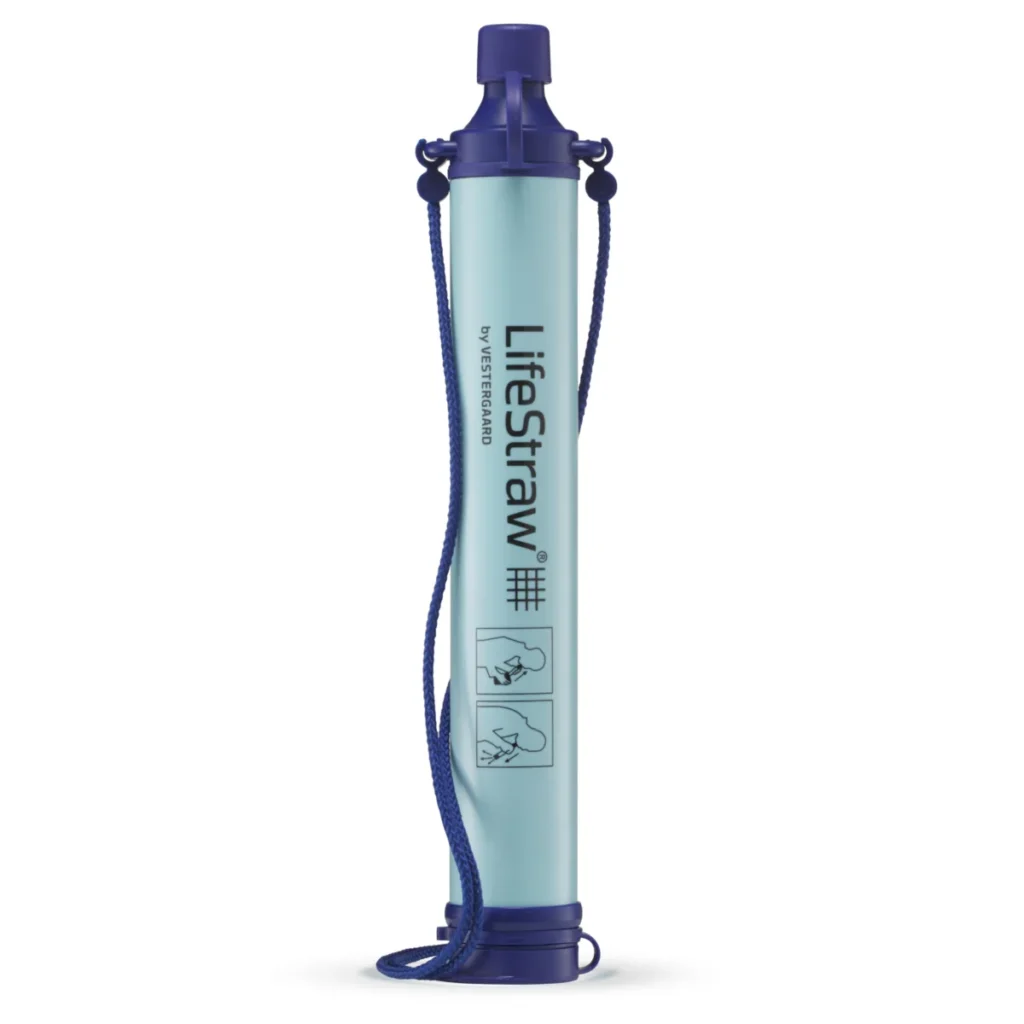
Lifestraw
Portable microbial protection, no install
Choose Lifestraw if you need to drink from streams, taps or questionable sources while hiking, traveling or during an emergency, because it filters bacteria and protozoan cysts without plumbing or power.

Brita
Countertop chlorine reduction, no plumbing
Choose Brita if your water comes from a treated municipal supply and you want better-tasting water at home with no installation, because its activated carbon reduces chlorine taste and odor plus metals like mercury and copper.
Key takeaways
- Lifestraw's hollow-fiber membrane removes bacteria and protozoan cysts, while Brita's activated carbon targets chlorine taste and odor plus metals like mercury and copper.
- Brita is not designed to treat untreated water: it lacks certification for bacteria or cysts, so it should not be used on streams or well water without testing and treatment.
- Lifestraw does not reduce chlorine or lead according to its published claims, so it is not a solution for those tap-water concerns.
- If lead, PFAS or fluoride is your concern, neither the Lifestraw Personal nor the Brita Metro is certified for those contaminants; a filter certified to NSF/ANSI 53 or a reverse osmosis system is the appropriate choice.
Table of contents9 sections · tap to expand
What is Lifestraw?
Lifestraw is a portable water filter, typically a straw-style device, that uses a hollow-fiber membrane to remove bacteria, protozoan cysts and microplastics from untreated water.
What is Brita?
Brita is a brand of water pitchers and bottles that use activated carbon filters to reduce chlorine taste and odor and certain metals from treated tap water.
At a glance
Lifestraw vs Brita at a glance
| Criterion | Lifestraw | Brita |
|---|---|---|
| Contaminant coverage | Bacteria, protozoan cysts, microplastics (down to 1 micron) | Chlorine taste and odor, mercury, copper, zinc, cadmium |
| Certifications | Claims tested to EPA, NSF, ASTM protocols (not a specific NSF/ANSI standard) | Not specified in listing; Brita states reduction of chlorine and metals |
| Filter type and installation | Portable straw filter; no installation | Countertop pitcher; no installation |
| Filter life | 4,000 liters (1,000 gallons) | 40 gallons (about 2 months) |
| Flow rate and effort | Sip through straw; effort required | Gravity-fed pitcher; wait for filtration |
| Water source suitability | Untreated outdoor or emergency water | Treated municipal tap water |
| Limits | No chlorine, lead, PFAS or fluoride reduction claimed | No bacteria, cysts, lead, PFAS or fluoride reduction claimed |
| Portability and storage | Fits in a backpack or pocket; lightweight | Fits on a counter or fridge shelf; not portable for travel |
Key differences
6 key differences between Lifestraw and Brita
1. What each one filters and how it is certified
Lifestraw's hollow-fiber membrane physically removes bacteria and protozoan cysts, with published claims of 99.999999% bacteria and 99.999% parasites reduction, and it also reduces microplastics down to 1 micron. Brita's activated carbon filter works by adsorption, reducing chlorine taste and odor and metals such as mercury, copper, zinc and cadmium. These are fundamentally different technologies aimed at different water problems.
Certification claims also differ: Lifestraw states its claims are verified using EPA, NSF and ASTM testing protocols, but the listing does not specify an NSF/ANSI standard number. Brita's listing does not name a specific NSF/ANSI certification either, though Brita is a well-known brand for chlorine reduction. Neither product's listing shows NSF/ANSI 53 certification for health contaminants like lead or cysts, so if you need verified reduction of those, check the manufacturer's performance data sheet for the specific model.
2. Filter life and replacement cost: gallons versus liters
Lifestraw is rated for 4,000 liters (1,000 gallons), which for a typical hiker or emergency user could last years, while Brita's filter lasts 40 gallons (about two months for a typical household). However, Lifestraw is designed for personal use on the go, not for daily household volumes.
Replacement frequency matters for cost: a Brita pitcher used daily will need a new filter every two months, or about six filters per year, while a Lifestraw used occasionally may not need replacement for a long time. The sticker price of each product does not reflect this difference in ongoing cost, so consider how often you will actually use each device.
3. Flow rate and effort in daily use
Lifestraw requires suction to pull water through the hollow-fiber membrane, so drinking is slower and requires effort, especially if you are dehydrated or tired. Brita relies on gravity to drip water through the filter, so you fill the reservoir and wait several minutes for filtration, then pour. Neither is instant, but Brita is hands-off after filling, while Lifestraw is effortful with every sip.
For daily household use, Brita's pitcher method fits routine better because you can filter a batch and store it in the fridge. Lifestraw's sip-by-sip approach is impractical for filling a glass or cooking, but it is the only option when you are away from a kitchen.
4. Water source suitability: treated tap versus untreated outdoor water
Brita is designed for treated municipal water that is already microbiologically safe; it improves taste and reduces certain metals but does not disinfect. Lifestraw is designed for untreated water such as streams, lakes or questionable taps, where bacteria and protozoan cysts are the primary concern. Using Brita on untreated water is not recommended because it lacks certification for microbial reduction, and using Lifestraw on tap water is unnecessary if the water is already treated and the concern is chlorine.
If your water comes from a private well, neither product is a complete solution: well water can contain bacteria, nitrates, arsenic and other contaminants that require testing and specific treatment. The CDC recommends testing private wells annually and after any change in water quality.
5. Limits: lead, PFAS and fluoride
Neither the Lifestraw Personal nor the Brita Metro is certified for lead, PFAS (PFOA/PFOS) or fluoride reduction according to their published claims. If those contaminants are your concern, look for a filter certified to NSF/ANSI 53 for lead or PFAS, or a reverse osmosis system certified to NSF/ANSI 58 for fluoride and other dissolved solids. Always check the manufacturer's performance data sheet for the specific model and your local water quality report to know what is in your water.
6. Portability and storage: backpack versus fridge
Lifestraw is built for portability: it weighs little, requires no power or plumbing, and can be carried in a backpack or emergency kit. Brita is a countertop or fridge appliance: the Metro pitcher is 9.8 inches tall and holds 6 cups, so it needs shelf space and is not designed to be carried outdoors. Your storage space and travel habits will point to one or the other.
Lifestraw: strengths and limitations
Lifestraw is a portable hollow-fiber filter that removes bacteria, protozoan cysts and microplastics from untreated water. It is designed for hiking, travel and emergencies where water safety is uncertain.
Strengths
- Filters bacteria and protozoan cysts from untreated water, which Brita does not claim
- Rated for 4,000 liters (1,000 gallons), far longer than a Brita filter's 40 gallons
- No installation, power or plumbing required; highly portable
- Also reduces microplastics down to 1 micron
Limitations
- Does not reduce chlorine, lead, PFAS or fluoride according to published claims
- Requires suction with each sip, which is slower and more effort than pouring from a pitcher
- Not designed for daily household volumes or for improving the taste of tap water
LifeStraw Personal Water Filter
It is rated for 4,000 liters and requires no installation, making it suited to hiking, travel and emergency use.
Brita: strengths and limitations
Brita is a countertop pitcher that uses activated carbon to reduce chlorine taste and odor and metals like mercury and copper from treated tap water. It is designed for everyday home use.
Strengths
- Reduces chlorine taste and odor, improving the taste of municipal water
- Reduces metals including mercury, copper, zinc and cadmium
- No installation required; fits on a counter or fridge shelf
- Simple gravity operation with a filter change indicator
Limitations
- Not designed or certified to remove bacteria or protozoan cysts, so it cannot treat untreated water
- Filter life is 40 gallons (about two months), requiring frequent replacement
Brita Metro Water Filter Pitcher
The Brita Metro is a 6-cup pitcher with an activated carbon filter that reduces chlorine taste and odor, plus metals like mercury and copper. It needs no installation and fits on a counter or fridge shelf, with a filter life of 40 gallons.
Decision guide
Which should you choose?
| If you… | Choose | Why |
|---|---|---|
| Hiker or camper drinking from a stream or lake | Lifestraw | Lifestraw's hollow-fiber membrane filters bacteria and protozoan cysts from untreated water. |
| Renter on city water bothered by chlorine taste | Brita | Brita pitcher needs no installation and reduces chlorine taste and odor. |
| Family preparing an emergency kit for boil-water notices | Lifestraw | Lifestraw provides a portable way to filter microbial contaminants when water safety is uncertain. |
| Someone concerned about lead or PFAS in tap water | Either | Neither the Lifestraw Personal nor the Brita Metro is certified for lead or PFAS reduction; look for NSF/ANSI 53 or reverse osmosis. |
| Traveler wanting to filter tap water in a hotel or while abroad | Lifestraw | Lifestraw is portable and requires no power or plumbing, making it suitable for uncertain water sources. |
Choose Lifestraw if
- You need to drink from streams, lakes or other untreated sources while hiking, camping or traveling.
- You are building an emergency kit for boil-water notices or natural disasters where water safety is uncertain.
- You want a portable filter that requires no power, plumbing or setup.
- You need long filter life measured in thousands of liters rather than gallons.
Choose Brita if
- Your water comes from a treated municipal supply and you want to improve its taste by reducing chlorine.
- You want a no-install solution for the kitchen counter or fridge.
- You are concerned about metals like mercury or copper in tap water and want a filter that reduces them.
- You prefer a pitcher that filters a batch of water at once rather than sip-by-sip.
See also: LifeStraw Water Filter Review: Travel Straw vs Home Pitcher; Larq vs Brita: Bottle or Pitcher, What Each Filters and What It Costs to Run.
Common questions
Frequently asked questions
Is Lifestraw better than Brita?
Neither is universally better; they serve different purposes. Lifestraw is better for untreated water because it filters bacteria and cysts, while Brita is better for improving the taste of treated tap water by reducing chlorine and some metals.
Does Brita remove bacteria?
No, Brita pitchers are not designed or certified to remove bacteria or protozoan cysts. They are intended for treated municipal water that is already microbiologically safe, and they reduce chlorine taste and odor plus certain metals.
Does Lifestraw remove chlorine or lead?
No, the Lifestraw Personal filter does not claim to reduce chlorine or lead. Its hollow-fiber membrane targets bacteria, protozoan cysts and microplastics, so it is not a solution for those chemical contaminants.
Can I use a Brita pitcher on well water or stream water?
No, Brita is not designed for untreated water because it does not remove bacteria or cysts. Well water should be tested and treated appropriately, and stream water should be filtered with a microbial filter like Lifestraw.
What is better than a Brita water filter for lead or PFAS?
For lead or PFAS, look for a filter certified to NSF/ANSI 53 for those contaminants, or a reverse osmosis system certified to NSF/ANSI 58. Neither the Brita Metro nor the Lifestraw Personal is certified for lead or PFAS reduction.
Bottom line
The verdict
The choice between Lifestraw and Brita depends on your water source and what you need removed. Choose Lifestraw when you need to make untreated water safe to drink by filtering bacteria and protozoan cysts, such as during hiking, travel or emergencies. Choose Brita when you have treated municipal water and want to reduce chlorine taste and odor and certain metals for better-tasting drinking water at home.
If your concern is lead, PFAS or fluoride, neither product is the right tool; look for a filter certified to NSF/ANSI 53 or a reverse osmosis system, and check your local water quality report or have your well tested to know what you need to remove.