Does the Brita Elite Filter Fit All Pitchers? Check Your Model First
Published October 29, 2026
Quick answer
No. Whether a Brita Elite filter fits your pitcher depends on the pitcher model, not on the Brita brand alone, because Brita sells several cartridge shapes that are not interchangeable. Elite cartridges are made for the pitchers and dispensers the manufacturer lists as Elite compatible; older and Stream pitchers take their own cartridges. Check your pitcher's model name or number against the cartridge the manufacturer lists for it before you order.
Table of contents11 sections · tap to expand
Key takeaways
- Fit is decided by the pitcher model, so confirm your model name or number against the manufacturer's cartridge listing before buying.
- Elite, standard and Stream cartridges differ in housing and locking design, so a cartridge that physically drops in is not proof it seats and seals correctly.
- Elite's longer rated life only pays off if your pitcher is compatible; on an incompatible pitcher the correct standard cartridge is the only safe choice.
- A carbon pitcher cartridge is built for taste and chlorine, and some models add lead reduction; it is not built for fluoride, PFAS, dissolved solids, hardness or bacteria.
- A new cartridge in a moldy or unwashed reservoir will still taste wrong, so cleaning frequency belongs in the same routine as the filter change.
Does the Brita Elite filter fit all pitchers?
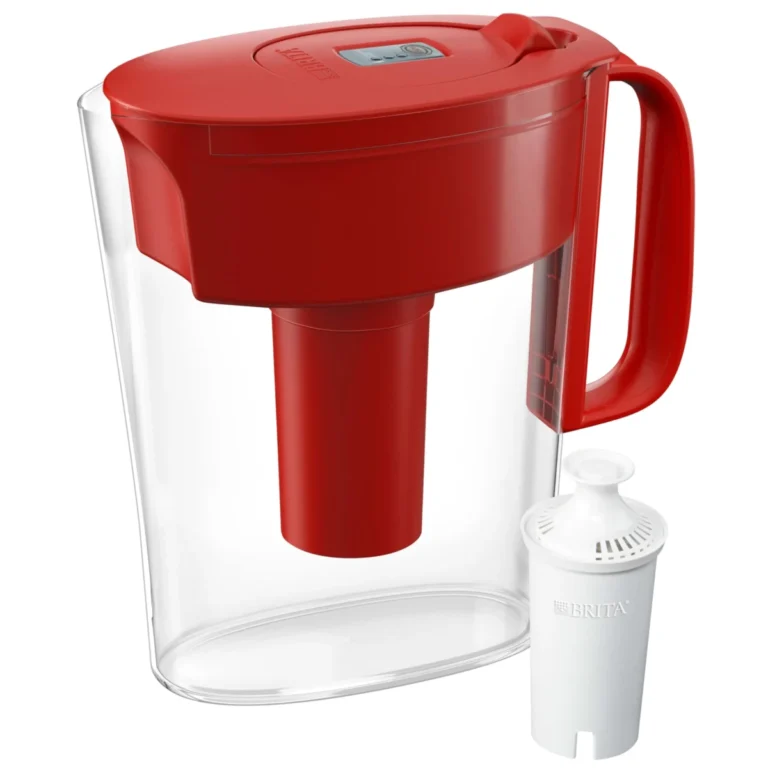
The Brita Elite filter does not fit all pitchers. Brita sells more than one cartridge family, and each family is shaped to seat and seal in a specific group of pitchers and dispensers. A cartridge that is the wrong shape either will not lock in or will not seal, and an unsealed cartridge lets unfiltered water bypass the carbon.
The practical rule is that compatibility follows the pitcher model, not the brand. Two pitchers that look similar on a shelf can take different cartridges, and the same is true of dispensers. The manufacturer publishes which cartridge goes with which system, and that listing is the only reliable answer.
This matters because the Elite cartridge is the longer-life option in the Brita lineup, and shoppers often assume a premium cartridge works everywhere. It does not. If your pitcher is not on the Elite compatibility list, the correct standard cartridge for your model is the one to buy.
One more caution: a cartridge that drops into the reservoir is not proof of fit. The housing and locking mechanism have to engage so water is forced through the carbon block rather than around it.
Which Brita pitchers and dispensers take the Elite cartridge?
Only the pitchers and dispensers the manufacturer lists as Elite compatible take the Elite cartridge. Brita's lineup includes at least three cartridge families: Elite, the standard cartridge used in many classic pitchers, and the Stream cartridge used in Stream pitchers. Each family has its own housing shape and locking design.
The Stream design is the clearest example of why shape matters. Stream pitchers are built around a fast-flowing cartridge that works differently from a gravity-fed carbon block, so a standard or Elite cartridge is not a substitute. Treat each family as its own system.
Because the compatible model list changes as Brita introduces and retires pitchers, the safest approach is to look up your exact model on the manufacturer's site or the cartridge packaging rather than relying on a general compatibility claim. If a retailer's listing does not name your pitcher, ask before ordering.
For a shopper deciding between an Elite-compatible pitcher and a cheaper standard model, the tradeoff is upfront cost against filter life. Elite's longer rated life can offset a higher pitcher price over a year or two, but only if you actually keep and use the pitcher that long.
How to check which Brita pitcher you own before buying a filter
You can confirm your pitcher model in about a minute by finding the model name or number stamped on the pitcher and matching it to the cartridge the manufacturer lists. The marking is usually on the base, the handle or the underside of the lid, depending on the model.
Once you have the model, compare it with the compatibility information on the cartridge box or the manufacturer's website. Do not rely on a photo of the cartridge alone, because two cartridges can look similar from above while their housings differ underneath.
If the model marking has worn off, the shape of the cartridge you are removing is the next clue. Compare it side by side with the cartridge you plan to buy, checking the housing outline and the locking tabs, not just the overall size.
Buying the wrong cartridge is the most common and most avoidable mistake in this category. A quick model check before checkout prevents a return and, more importantly, prevents a pitcher that looks like it is filtering when it is not.
- Turn the pitcher over and look for a model name or number on the base, handle or lid.
- Write the model down and check it against the manufacturer's cartridge compatibility listing.
- Compare the housing and locking tabs of your current cartridge with the new one before ordering.
- If the model is unreadable, photograph the old cartridge next to a ruler and compare shapes with the retailer's listing.
- Order only after the model or the cartridge shape matches exactly.
Elite versus standard Brita cartridge: filter life, certification
The Elite cartridge is rated for a longer filter life than the standard Brita cartridge, which is the main reason buyers consider it. Longer rated life means fewer changes per year, and the cost per gallon depends on the cartridge price divided by its rated gallons, not on the sticker price alone.
Both cartridges are carbon-based pitcher filters, and both carry NSF/ANSI 42 certification for aesthetic effects such as chlorine taste and odor. Some Brita cartridges also carry NSF/ANSI 53 certification for specific health-related contaminants such as lead; check the certification printed on the packaging for the exact cartridge you are buying, because the scope differs by product.
The upgrade math is simple: if the Elite cartridge costs somewhat more but lasts substantially longer, the cost per gallon can be lower than the standard cartridge. If your pitcher is not Elite compatible, that math is irrelevant, because the cartridge will not work in your pitcher.
Certification scope is the other half of the decision. A longer-life cartridge that is certified for the contaminants in your water is worth the upgrade; a longer-life cartridge that is not certified for them is not, no matter how many gallons it claims.
What the Brita Elite filter reduces and what it does not
The Brita Elite filter is a carbon pitcher cartridge, so it is built to reduce chlorine taste and odor and the contaminants the manufacturer certifies it for, which can include lead on certified models. The exact list is printed on the cartridge packaging and in the manufacturer's performance data sheet, and that document is the one to trust.
A carbon pitcher cartridge is not built to remove fluoride, PFAS such as PFOA and PFOS, dissolved solids, hardness minerals or bacteria. Those require different technology: reverse osmosis for fluoride and dissolved solids, certified carbon or specialty media for PFAS, ion exchange for hardness, and disinfection or absolute filtration for microbiological concerns.
If your water report lists fluoride, PFAS or high hardness, a pitcher is the wrong tool for that job regardless of which cartridge you choose. Read your local water quality report, called a Consumer Confidence Report, to see what is actually in your water; if you are on a private well, get a certified lab test before choosing any filter.
For lead, the CDC and EPA both recommend acting on the source as well as the filter, and a certified pitcher cartridge is a stopgap rather than a permanent solution. Check the performance data sheet for the specific reduction claim before relying on it.
If the Elite filter does not fit your pitcher
If your pitcher is not Elite compatible, you have three sensible paths: keep buying the correct standard cartridge for your model, replace the pitcher with an Elite-compatible one, or move to a different filter type if the pitcher itself is the limitation.
Keeping the correct standard cartridge is the cheapest and simplest option. You lose the longer filter life but keep a pitcher that seals properly and filters as designed. Replacing the pitcher only makes sense if you plan to keep using a pitcher for a year or more and want the longer interval between changes.
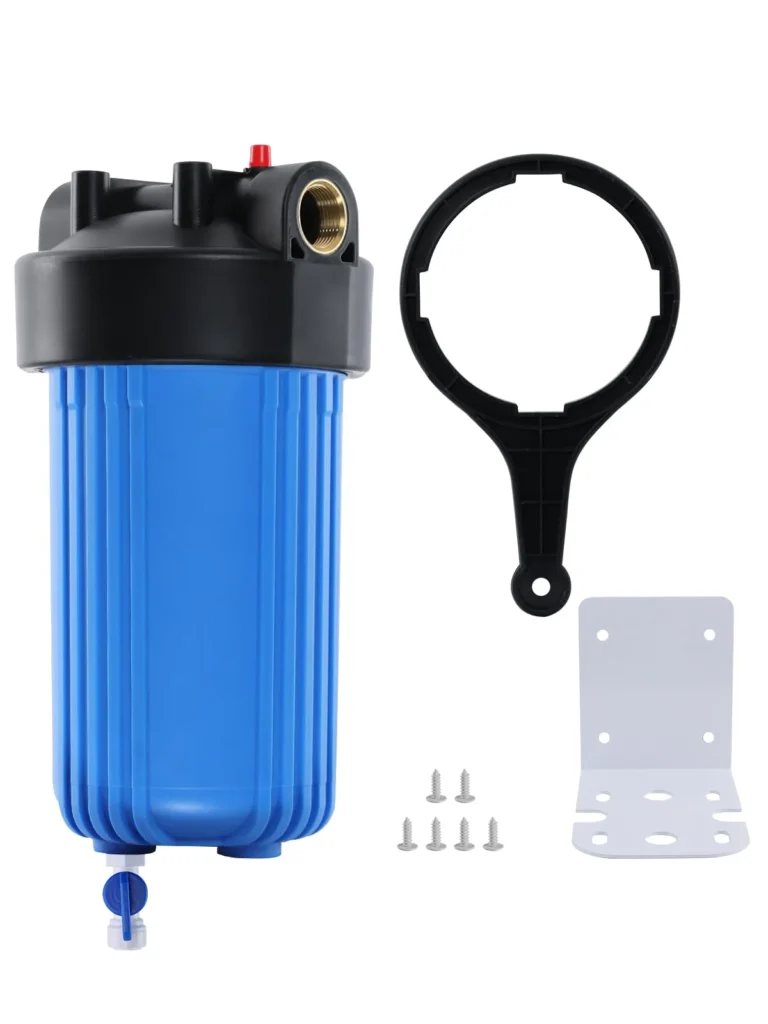
If you are replacing the pitcher anyway, compare the total cost of the new pitcher plus a year of Elite cartridges against a faucet mount or under sink filter. A faucet mount filter attaches to the tap and needs no counter space, while an under sink filter handles higher volume and stays out of the way.
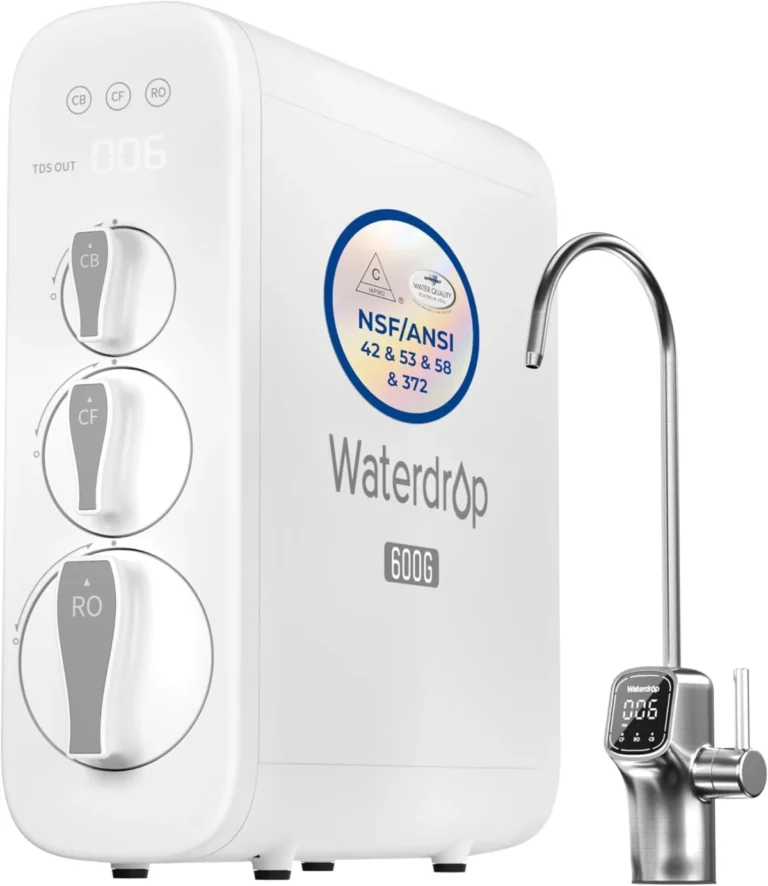
For households worried about lead, PFAS or fluoride, a pitcher is a weak fit no matter which cartridge you choose. An under sink reverse osmosis system is the type built for dissolved contaminants, and it is worth the plumbing if those are your concerns.
Keeping a Brita pitcher clean: how often to wash it and what to avoid
Wash a Brita pitcher every time you change the cartridge, and give the reservoir and lid a quick rinse at least weekly. Mold and biofilm grow in the reservoir, around the lid seal and in the spout, and a fresh cartridge in a dirty pitcher will still taste off.
For a deeper clean, wash the pitcher, lid and reservoir in warm soapy water, rinse thoroughly and let everything air dry before reassembling. Avoid abrasive scrubbers, which scratch the plastic and give mold a place to settle.
Dishwasher safety depends on the model. Many Brita pitchers and lids are not dishwasher safe because heat can warp the housing and break the seal, so check the manufacturer's care instructions for your specific pitcher before putting any part in the dishwasher. When in doubt, hand wash.
If you see black specks, a musty smell or cloudy water that persists after a cartridge change, disassemble the pitcher, clean every part and replace the cartridge. Persistent mold or a cracked reservoir is a reason to replace the pitcher rather than keep cleaning it.
- Remove the cartridge and set it aside.
- Disassemble the lid, reservoir and pitcher body.
- Wash each part in warm soapy water with a soft sponge.
- Rinse thoroughly until no soap residue remains.
- Air dry completely before reassembling with a new cartridge.
When a pitcher is the wrong tool and what to buy instead
A pitcher suits low-volume, no-install, taste-focused needs: one or two people, a rental kitchen, and water that mainly tastes of chlorine. It is the easiest filter to live with and the easiest to forget to refill.
A faucet mount filter is the next step up when you want filtered water on tap without plumbing work. It screws onto a standard faucet, filters at a much higher flow rate than a pitcher and takes up no counter space, though it will not fit every faucet style.
An under sink filter is the choice for higher volume and for contaminants a carbon pitcher cannot handle. Reverse osmosis under sink systems are the type built for fluoride, arsenic and dissolved solids, and they produce wastewater and need a membrane change every few years.
The decision rule is simple: if your concern is taste and chlorine and your volume is low, a pitcher is fine. If your concern is lead, PFAS, fluoride or high volume, choose a filter type certified for those contaminants and check the performance data sheet before buying.
Avoid these
Common mistakes to avoid
- Assuming any Brita cartridge fits any Brita pitcher. Check your pitcher model against the manufacturer's cartridge listing before ordering, and compare the housing shape, not just the size.
- Buying an Elite cartridge because it is on sale without confirming compatibility. Confirm fit first; a discounted cartridge that does not seal is more expensive than the correct standard one.
- Replacing the cartridge without cleaning the pitcher. Wash the reservoir, lid and spout every time you change the cartridge, and rinse weekly between changes.
- Putting pitcher parts in the dishwasher without checking the care instructions. Hand wash unless the manufacturer states the part is dishwasher safe, since heat can warp the housing and break the seal.
- Expecting a pitcher to remove fluoride, PFAS or hardness. Choose reverse osmosis or a certified specialty filter for dissolved contaminants, and read your local water report first.
See also: Are All Brita Filters the Same? Which Cartridge Fits Your Pitcher, Faucet or Fridge; Pur vs Brita: Pitcher, Dispenser and Faucet Filters Compared by Capacity and Cartridge Cost; How Long Do Brita Filters Last, and How to Tell Yours Is Spent.
Common questions
Frequently asked questions
Do Brita Elite filters fit the original Brita pitcher?
Not necessarily. The original Brita pitchers were designed around the standard cartridge, and Elite compatibility depends on the specific model. Check the model name or number on your pitcher against the manufacturer's cartridge listing before buying an Elite filter.
Are all Brita pitcher filters interchangeable?
No. Brita sells Elite, standard and Stream cartridges with different housings and locking designs, and each fits a specific group of pitchers and dispensers. A cartridge that is the wrong shape will not seat and seal, so water can bypass the filter.
How often do you change a Brita Elite filter?
Change a Brita Elite filter when it reaches its rated gallon capacity or the interval the manufacturer prints on the packaging, whichever comes first. The Elite cartridge is rated for a longer life than the standard Brita cartridge, so it needs fewer changes per year.
Is the Brita Elite filter NSF certified for lead reduction?
Some Brita cartridges carry NSF/ANSI 53 certification for lead reduction, but the scope differs by product. Check the certification printed on the packaging and the manufacturer's performance data sheet for the exact cartridge you are buying before relying on it for lead.
Can you put a Brita pitcher in the dishwasher?
Many Brita pitchers and lids are not dishwasher safe because heat can warp the housing and break the seal. Check the care instructions for your specific model, and hand wash in warm soapy water when in doubt.
Will a store-brand pitcher filter fit a Brita pitcher?
Only if the store brand states that it is designed for your specific Brita model. Fit depends on the housing and locking design, so a generic filter that is not listed for your pitcher may not seal properly.
Next step
Find the model name or number on your pitcher, check it against the manufacturer's cartridge compatibility listing, and only then decide between the Elite cartridge and the correct standard one. If your water report shows fluoride, PFAS or lead concerns, compare a certified under sink or reverse osmosis system before spending more on pitcher cartridges.