Clearly Filtered vs Reverse Osmosis: What Each One Removes and Who Should Buy Which
Published October 29, 2026
Choose Clearly Filtered if you rent, want no plumbing and need better taste plus some lead or PFAS reduction from a countertop pitcher or dispenser. Choose Reverse Osmosis if you own your home, can plumb under the sink and need fluoride, arsenic or total dissolved solids reduced. The single deciding tradeoff is that Reverse Osmosis removes dissolved contaminants like fluoride that carbon filters generally leave behind, but it requires installation, produces wastewater and costs more to maintain.
This comparison sets the two approaches side by side on contaminant coverage, certifications, installation, flow, filter life, wastewater, space and suitability for different water sources. Clearly Filtered is a brand of carbon-based pitchers, dispensers and cartridges, not a Reverse Osmosis system. Reverse osmosis is a treatment method that forces water through a membrane, typically with carbon pre- and post-filters. Understanding that category difference is the first step to picking the right one for your home.
Quick verdict
Clearly Filtered offers no-install carbon filtration for taste, chlorine and some metals, while Reverse Osmosis is a plumbed-in membrane system that also removes dissolved solids such as fluoride.
no install, slow, selective
Choose Clearly Filtered if you rent, cannot modify plumbing, and want a countertop or faucet-mount option that reduces chlorine, lead and some PFAS without wastewater.
Reverse Osmosis
plumbed in, thorough, wasteful
Choose Reverse Osmosis if you own your home, have under-sink space and need fluoride, arsenic or total dissolved solids reduced along with lead and PFAS.
Key takeaways
- Clearly Filtered is a carbon-based pitcher and dispenser brand, not a Reverse Osmosis system, so it generally does not remove fluoride or total dissolved solids.
- Reverse osmosis removes dissolved contaminants including fluoride and arsenic, but it requires under-sink plumbing, produces wastewater and needs membrane replacement every 2 to 3 years.
- Clearly Filtered needs no installation and suits renters, while Reverse Osmosis suits homeowners who can modify plumbing and want higher daily capacity.
- Both approaches can reduce lead and PFAS if the specific product is certified to NSF/ANSI 53 or 58 and lists those contaminants.
Table of contents9 sections · tap to expand
What is Clearly Filtered?
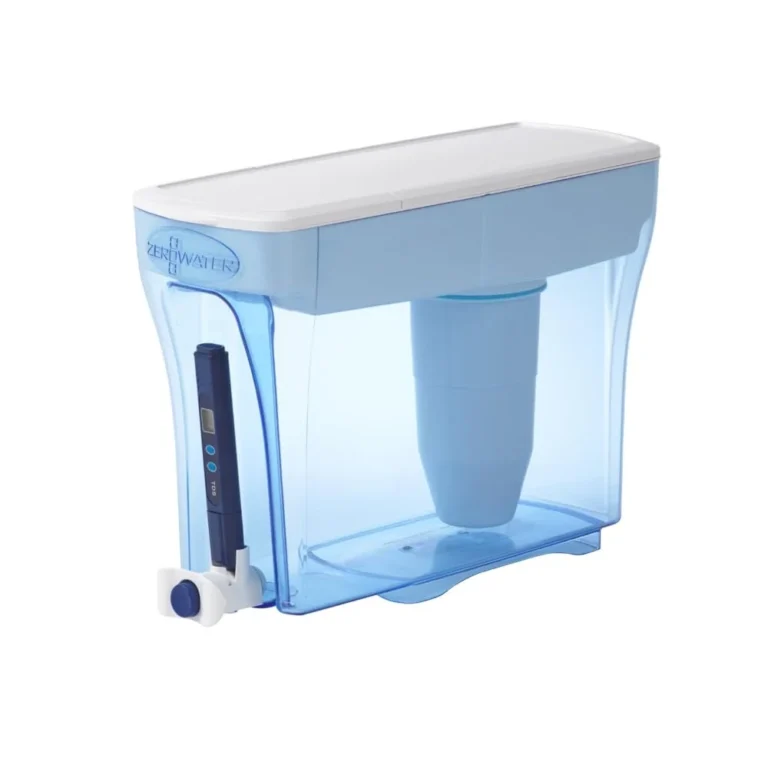
Clearly Filtered is a brand of carbon-based water pitchers, dispensers and cartridges that use activated carbon and ion exchange media to reduce chlorine, lead and certain other contaminants without plumbing.
What is Reverse Osmosis?
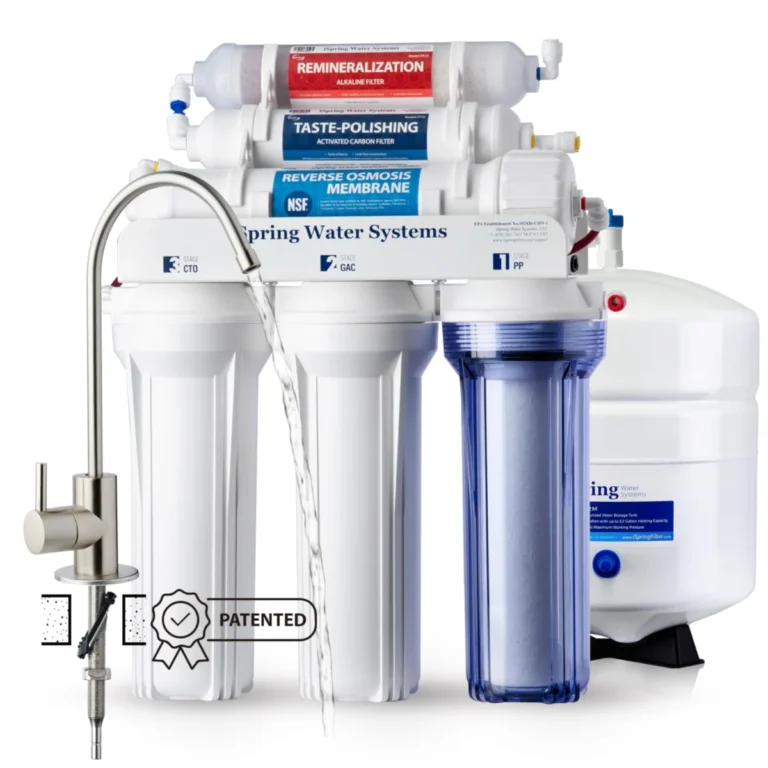
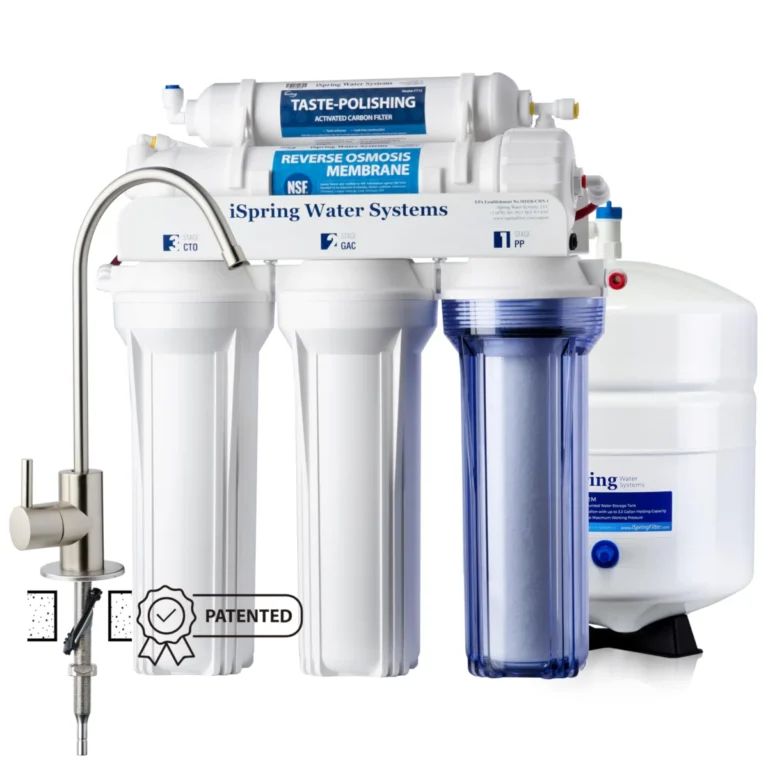
Reverse osmosis is a water treatment process that pushes water through a semipermeable membrane to remove dissolved solids, including fluoride and arsenic, usually combined with carbon filters and sometimes a remineralization stage.
At a glance
Clearly Filtered vs Reverse Osmosis at a glance
| Criterion | Clearly Filtered | Reverse Osmosis |
|---|---|---|
| Contaminant coverage | Chlorine, taste, some lead and PFAS (varies by product) | Dissolved solids including fluoride, arsenic, plus lead and PFAS with carbon stages |
| Certifications to look for | NSF/ANSI 42, 53, 372, 401 (product-specific) | NSF/ANSI 58, 42, 53, 372 (system-specific) |
| Installation requirements | None; countertop or faucet mount | Under-sink plumbing, drain connection, faucet hole |
| Flow rate and daily capacity | Pitcher refill takes minutes; limited daily output | Rated in gallons per day (GPD), often 50–100 GPD |
| Filter life and yearly cost | Cartridge every 2–3 months; lower upfront cost | Filters every 6–12 months, membrane every 2–3 years; higher total cost |
| Wastewater produced | None | Typically 1–4 gallons wastewater per gallon treated |
| Need for remineralization | Not needed | Often desired for taste after dissolved solids are removed |
| Space needed | Countertop or fridge space | Under-sink cabinet space for system and tank |
| Renter suitability | High; no permanent changes | Low; requires plumbing modifications |
| City vs well water | Good for city water with taste or lead concerns | Good for well water with dissolved contaminants, after testing |
Key differences
5 key differences between Clearly Filtered and Reverse Osmosis
1. What each one filters and how it is certified
Clearly Filtered uses activated carbon and ion exchange media to reduce chlorine, taste and odor, and some products are certified to NSF/ANSI 42 and 53 for specific contaminants such as lead and certain PFAS. Reverse osmosis systems use a membrane to remove dissolved solids including fluoride and arsenic, and are typically certified to NSF/ANSI 58, which covers Reverse Osmosis performance. The key difference is that carbon pitchers generally do not remove fluoride or total dissolved solids, while Reverse Osmosis does.
For a reader with a known fluoride or arsenic concern, Reverse Osmosis is the more appropriate technology because it is designed to reduce dissolved contaminants. For a reader mainly bothered by chlorine taste or worried about lead, a certified carbon pitcher can be sufficient. Always check the manufacturer performance data sheet for the specific model and compare it with your local water report.
2. Installation and space: countertop versus under-sink
Clearly Filtered pitchers and dispensers require no installation and take up countertop or refrigerator space, making them suitable for renters and small kitchens. Reverse osmosis systems need a cold water line connection, a drain connection and a faucet hole, and they occupy under-sink cabinet space for the system and storage tank. The installation difference is the main reason a renter might choose Clearly Filtered even if Reverse Osmosis removes more contaminants.
If you own your home and have under-sink space, a Reverse Osmosis system can be installed by a plumber or a confident DIYer. If you cannot modify plumbing, a Clearly Filtered dispenser offers a no-install alternative, though it will not reduce fluoride or total dissolved solids.
3. Flow rate and daily capacity
Clearly Filtered pitchers and dispensers produce water slowly, requiring several minutes to filter a full pitcher, and daily capacity is limited by how often you refill. Reverse osmosis systems are rated in gallons per day (GPD), commonly 50 to 100 GPD, and store treated water in a tank for on-demand use. The flow difference means Reverse Osmosis is better for a family that needs a steady supply for drinking and cooking, while a pitcher suits lower-volume use.
For a household that fills water bottles throughout the day, a Reverse Osmosis system with a storage tank provides faster access. For a single person or a couple, a Clearly Filtered pitcher may be adequate and avoids the installation and wastewater of Reverse Osmosis.
4. Filter life, replacement cost and wastewater
Clearly Filtered cartridges typically last 2 to 3 months and cost less per replacement than Reverse Osmosis filters, but they are replaced more often. Reverse osmosis systems require pre-filter and post-filter changes every 6 to 12 months and a membrane replacement every 2 to 3 years, adding to the yearly cost. Reverse osmosis also produces wastewater, typically 1 to 4 gallons per gallon of treated water, which is a consideration for water conservation and septic systems.
The running cost of Reverse Osmosis is higher overall, but it delivers water with dissolved contaminants removed. Clearly Filtered has a lower upfront and replacement cost, but it does not reduce fluoride or total dissolved solids. Neither option is universally cheaper; the choice depends on your water quality goals and willingness to maintain a system.
5. Taste, remineralization and suitability for city versus well water
Reverse osmosis removes minerals along with contaminants, which can make water taste flat, so some systems include a remineralization stage to add back calcium and magnesium. Clearly Filtered pitchers typically retain minerals and can improve taste by reducing chlorine. For city water that meets safety standards but has aesthetic issues, a carbon pitcher may be enough; for well water with high dissolved solids or fluoride, Reverse Osmosis is more effective.
Private well owners should test their water before choosing a treatment. A lab test will reveal whether bacteria, nitrate, arsenic, fluoride or hardness are present, and that determines whether a carbon pitcher, Reverse Osmosis, or another method is appropriate. City water customers can use their annual consumer confidence report to identify contaminants of concern.
Clearly Filtered: strengths and limitations
Clearly Filtered is a line of carbon-based pitchers, dispensers and cartridges that require no installation and target chlorine, taste and some metals. It is a practical choice for renters or those who want a simple countertop solution but does not remove fluoride or total dissolved solids.
Strengths
- No installation or plumbing required; suitable for renters
- Lower upfront cost and no wastewater
- Certified to NSF/ANSI 42 and 53 for specific contaminants like lead and some PFAS on select products
- Retains minerals and avoids the flat taste of demineralized water
Limitations
- Does not remove fluoride or total dissolved solids
- Slow flow rate and limited daily capacity
- Cartridges need frequent replacement (every 2–3 months)
Reverse Osmosis: strengths and limitations
Reverse osmosis is a membrane-based treatment that removes dissolved solids including fluoride and arsenic, typically with carbon pre- and post-filters. It requires under-sink plumbing and produces wastewater, but offers higher capacity and broader contaminant reduction.
Strengths
- Removes fluoride, arsenic and total dissolved solids that carbon filters leave behind
- Higher daily capacity with a storage tank
- Certified to NSF/ANSI 58 for Reverse Osmosis performance
- Can reduce a wide range of contaminants when combined with carbon stages
Limitations
- Requires plumbing modification and under-sink space
- Higher maintenance cost with membrane replacement every 2–3 years
- May require remineralization for taste
Decision guide
Which should you choose?
| If you… | Choose | Why |
|---|---|---|
| Renter with city water and no under-sink space | Clearly Filtered | Clearly Filtered pitchers and dispensers need no plumbing and can sit on the counter. |
| Homeowner with a known fluoride or dissolved-solids concern | Reverse Osmosis | Reverse osmosis removes fluoride and total dissolved solids that carbon pitchers generally leave in. |
| Family comparing a countertop pitcher against a full under-sink install | Either | The choice depends on whether you need fluoride removal and are willing to plumb and maintain a system. |
| Someone on city water reading their consumer confidence report and choosing a filter for lead | Either | Both approaches can reduce lead if the specific product is certified for it; check the performance data sheet. |
| Household on a private well deciding whether to test before buying anything | Either | Test first: the right choice depends on what the lab finds, such as bacteria, nitrate, arsenic or hardness. |
Choose Clearly Filtered if
- You rent and cannot install under-sink plumbing.
- Your main concern is chlorine taste and odor, or you want some lead reduction without a permanent installation.
- You have limited countertop space and prefer a simple pitcher or dispenser.
- You want to avoid wastewater and the maintenance of a Reverse Osmosis system.
Choose Reverse Osmosis if
- You own your home and can install an under-sink system.
- You need to reduce fluoride, arsenic or total dissolved solids.
- Your household uses a lot of drinking water and needs higher daily capacity.
- You have a private well with tested dissolved contaminants and want a comprehensive solution.
Common questions
Frequently asked questions
Is Reverse Osmosis better than filtered water?
Neither is universally better; Reverse Osmosis removes dissolved contaminants like fluoride that carbon filters generally do not, but it requires installation and produces wastewater. Choose based on what you need removed and your living situation.
Is Reverse Osmosis the same as filtered water?
No, Reverse Osmosis is a specific filtration method that uses a membrane to remove dissolved solids, while 'filtered water' can refer to any filtration including carbon pitchers. Clearly Filtered is a carbon-based filter, not Reverse Osmosis.
Is Clearly Filtered Reverse Osmosis?
They do not use a membrane and generally do not remove fluoride or total dissolved solids.
Does Clearly Filtered remove fluoride?
Clearly Filtered pitchers and dispensers are not designed to remove fluoride; carbon and ion exchange media typically do not reduce fluoride. For fluoride removal, a Reverse Osmosis system is the appropriate choice.
Does Reverse Osmosis remove PFAS and lead?
Reverse osmosis can remove PFAS and lead, but you should check the specific system's certification to NSF/ANSI 58 and 53 and its performance data sheet for listed contaminants. Not all systems are certified for every contaminant.
Do I need a plumber to install a Reverse Osmosis system?
A Reverse Osmosis system requires a cold water line connection, a drain connection and a faucet hole, which may need a plumber or a confident DIYer. If you cannot modify plumbing, a no-install option like Clearly Filtered is more suitable.
Bottom line
The verdict
Clearly Filtered and Reverse Osmosis serve different needs.
Before deciding, check your local water quality report or test your well, and review the manufacturer performance data sheet for any product to confirm it is certified for the contaminants you want to reduce. Neither option is universally stronger; the right choice depends on your water, your home and your maintenance preferences.