Practical guide
Do Water Filters Remove Lead? What Works in 2026
Yes, certain water filters can remove lead, but not all filters are equally effective. The most reliable options are reverse osmosis systems, distillation units, and filters certified to NSF/ANSI Standard 53 for lead reduction. Pitcher filters like Brita are generally not certified for lead removal unless specifically stated, while Berkey filters claim to reduce lead but lack NSF certification. For the best protection, choose a filter with explicit lead-removal certification and verify it matches your water source and usage needs.
Lead enters drinking water primarily through corroded pipes and fixtures, especially in older homes. Even low levels can be harmful, especially for children and pregnant women. Testing your water is the first step to determine if lead is present, then select a filter that is certified to reduce lead to safe levels.
This guide explains how lead gets into water, which filter technologies are proven to remove it, what certifications to look for, and how to choose the right system for your home. We also address common questions about Brita and Berkey filters.
Buying framework
How to compare the options
| Criterion | Why it matters | What to choose | Watch for |
|---|---|---|---|
| Certification for lead reduction (NSF/ANSI 53 or 58) | Certification ensures the filter has been independently tested to reduce lead to safe levels. | Choose a filter with explicit NSF/ANSI 53 or 58 certification for lead. | Avoid filters that only claim 'NSF tested' or have no certification. |
| Filter technology (RO, carbon, distillation) | Different technologies have different effectiveness and maintenance needs. | Choose RO or distillation for highest lead removal; carbon only if certified. | Do not assume all carbon filters remove lead. |
| Point-of-use vs. whole-house | Point-of-use treats water at one tap; whole-house treats all water. | Choose point-of-use for drinking water; whole-house if lead is in all water. | Whole-house systems are more expensive and may require professional installation. |
| Water source (municipal or well) | Lead source and treatment needs differ between municipal and well water. | Test your water first; municipal water often needs point-of-use, well water may need whole-house. | Well water may have additional contaminants that require specific filters. |
| Budget for initial purchase and replacements | Ongoing costs can exceed initial purchase price. | Consider total cost of ownership, including filter replacements. | Cheap filters may have expensive cartridges. |
| Installation skill required | Some systems require plumbing skills; others are simple. | Choose a pitcher or faucet filter if you rent or lack DIY skills. | Under-sink RO may require professional installation. |
| Ongoing maintenance and filter replacement frequency | Filters must be replaced regularly to maintain effectiveness. | Choose a system with a clear replacement schedule and easy access. | Neglecting maintenance can lead to filter failure and recontamination. |
| Flow rate and convenience | Higher flow rates are more convenient but may require larger systems. | Choose a system that provides enough filtered water for your household. | Pitchers have slow flow; RO tanks may run out. |
| Additional contaminants of concern | You may want to remove other contaminants like chlorine, VOCs, or bacteria. | Choose a filter certified for the specific contaminants you care about. | Do not assume a lead-removing filter targets only the contaminants identified in the exact model evidence. |
Do Water Filters Remove Lead? The Short Answer
Yes, but only certain types. Reverse osmosis, distillation, and filters certified to NSF/ANSI Standard 53 for lead reduction are proven effective. Activated carbon filters alone may not remove lead unless specifically designed and certified. Always check for certification labels.
For example, standard Brita pitchers are not certified for lead removal, while some specialty pitchers like Clearly Filtered are. Berkey claims to reduce lead but lacks NSF certification, which raises reliability concerns.
If you are concerned about lead, the safest choice is a reverse osmosis system certified to NSF/ANSI Standard 58, as it is proven to remove up to 99% of lead.
How Lead Gets Into Your Water and Why It Matters
Lead typically enters drinking water through corroded pipes and fixtures, especially in older homes built before 1986. Even low levels of lead can be harmful, especially for children and pregnant women, as it can affect brain development and cause other health issues.
Testing your water is the first step to determine if lead is present. You can contact your local water utility or use a certified home test kit. If lead is detected, you need a filter that is certified to reduce it.
Remember, boiling water does not remove lead; in fact, it can concentrate it. Only filtration or distillation can effectively reduce lead.
Filter Technologies That Remove Lead: RO, Carbon, and More
Reverse osmosis (RO) systems are highly effective, removing up to 99% of lead. They work by forcing water through a semi-permeable membrane that traps contaminants. Distillation also works well by boiling water and condensing the steam, leaving lead behind.
Activated carbon filters can reduce lead if they are specifically certified for it, but not all carbon filters do. The carbon media must be treated or combined with other media to attract and trap lead. Ion exchange resins can also remove lead by swapping lead ions for sodium or potassium.
When choosing a technology, consider your water source and the specific contaminants you need to remove. RO systems are the most comprehensive, but they produce wastewater and may require remineralization.
Understanding NSF/ANSI Certifications for Lead Reduction
Look for NSF/ANSI Standard 53 certification for lead reduction, or NSF/ANSI Standard 58 for RO systems. These certifications mean the filter has been tested to reduce lead to safe levels. 'NSF tested' is not the same as 'NSF certified.'
NSF/ANSI 53 covers point-of-use filters that reduce specific contaminants, including lead. NSF/ANSI 58 specifically applies to reverse osmosis systems. A filter that is 'NSF tested' may have been tested for other contaminants, but not necessarily for lead.
Always check the product's certification label or the manufacturer's website for the exact standard and contaminant list. If the certification is not clear, contact the manufacturer for test data.
Pitcher Filters: Brita, Berkey, and Others
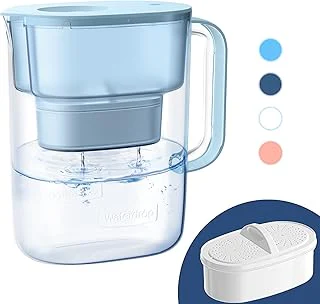
Standard Brita pitchers are not certified for lead removal. While some Brita products may reduce lead incidentally, they do not meet NSF/ANSI Standard 53 for lead reduction. If you are concerned about lead, choose a pitcher with explicit certification.
Berkey claims to reduce lead, but lacks NSF certification, which raises reliability concerns. Independent testing is limited, so for guaranteed lead reduction, consider an NSF-certified RO system or a pitcher like Clearly Filtered, which is certified for lead reduction.
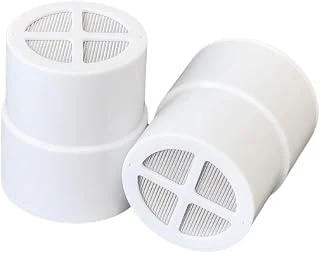
When using a pitcher filter, remember to replace the cartridge regularly, as a saturated filter may not effectively remove lead.
Under-Sink and Whole-House Systems for Lead Removal
Under-sink RO systems are the most effective point-of-use solution for lead removal. They are installed under the sink and provide filtered water at a dedicated faucet. These systems are certified to NSF/ANSI 58 and can remove up to 99% of lead.
Whole-house filters can help if lead is coming from the main supply, but they are less common and may require professional installation. They treat all water entering the home, but may not be certified for lead reduction. Consider your specific lead source and budget.
For most homes, an under-sink RO system is the best investment for lead removal, as it provides high-quality drinking water at a reasonable cost.
How to Choose a Lead-Removing Water Filter: Key Criteria
Consider certification, filter technology, installation, maintenance cost, flow rate, and whether it addresses your water source (municipal or well). Also, check if the filter reduces other contaminants you're concerned about.
Start by testing your water to confirm lead presence and levels. Then, choose a filter certified for lead reduction. For municipal water, a point-of-use filter is usually sufficient. For well water, you may need a whole-house system.
Compare initial costs, replacement filter costs, and installation complexity. A higher upfront cost may be worth it if the filter lasts longer and removes more contaminants.
Installation, Maintenance, and Replacement Costs
Pitcher filters are low-cost but require frequent cartridge changes, typically every 2-3 months. RO systems have higher upfront costs and produce wastewater, but offer comprehensive filtration. Factor in replacement filter costs and potential professional installation fees.
Under-sink RO systems require filter changes every 6-12 months, depending on usage. Some systems have a built-in reminder. Whole-house systems may require more frequent maintenance and professional servicing.
Always follow the manufacturer's maintenance schedule to ensure the filter continues to remove lead effectively. Neglecting maintenance can lead to filter failure and recontamination.
Limitations and Common Mistakes in Lead Filtration
Filters can fail if not maintained or if water chemistry changes. Some filters only reduce lead at the tap, not throughout the house. Avoid assuming all filters remove lead; always check certification. Also, consider testing your water regularly.
Common mistakes include using a filter past its capacity, not replacing cartridges on time, and choosing a filter without certification. Another mistake is assuming that a filter certified for one contaminant also removes lead.
Remember that no filter can targets only the contaminants identified in the exact model evidence. For lead, specifically look for NSF/ANSI 53 or 58 certification. If you have well water, test for other contaminants like bacteria and nitrates.
Common questions
Frequently asked questions
Does Brita filter out lead?
Standard Brita pitchers and faucet filters are not certified to remove lead. While some Brita products may reduce lead incidentally, they do not meet NSF/ANSI Standard 53 for lead reduction. For lead removal, choose a filter with explicit certification, such as a reverse osmosis system or a pitcher like Clearly Filtered.
Can a water filter remove lead?
Yes, but only specific types. Reverse osmosis systems, distillation units, and filters certified to NSF/ANSI Standard 53 for lead reduction are proven to remove lead. Activated carbon filters alone may not be effective unless certified. Always check the product's certification label.
Do Berkey filters remove lead?
Berkey claims their filters reduce lead, but they are not NSF certified for lead removal. Independent testing is limited, so for guaranteed lead reduction, consider an NSF-certified RO system or a pitcher like Clearly Filtered. Certification provides assurance that the filter has been tested to reduce lead to safe levels.
What is the best water filter for lead removal?
Reverse osmosis systems are considered the most effective, often removing 95-99% of lead. Look for systems certified to NSF/ANSI Standard 58. Under-sink RO units are popular, but always verify certification. For a simpler option, choose a pitcher certified to NSF/ANSI 53 for lead reduction.
How do I know if my water filter removes lead?
Check the product's certification label. Look for NSF/ANSI Standard 53 or 58 certification specifically for lead reduction. If the label says 'NSF tested' but not 'certified,' it may not guarantee lead removal. Contact the manufacturer for test data to confirm.
Summary
What to remember
In summary, water filters can remove lead, but only those with specific certifications and technologies. Reverse osmosis systems are the most effective, followed by distillation and certified carbon filters. Pitcher filters like Brita are not certified for lead, while Berkey lacks NSF certification. Always verify NSF/ANSI 53 or 58 certification for lead reduction, test your water, and consider your budget and installation preferences. For most households, an under-sink RO system provides the best protection against lead.