Practical guide
How to Filter Shower Water: A Practical Guide for 2026
To filter shower water, install a shower filter between the shower arm and the shower head. These filters typically use granular activated carbon and KDF media to reduce chlorine and other chemicals. For hard water, consider a water softener or a shower filter with ion-exchange resin, but note that most shower filters do not soften water. Choose a filter based on your water source and specific concerns, and replace the cartridge regularly.
This guide explains what shower filters can and cannot do, how to choose one, and how to install and maintain it. We focus on practical steps and evidence-based facts, so you can make an informed decision without overspending or expecting miracles.

Buying framework
How to compare the options
| Criterion | Why it matters | What to choose | Watch for |
|---|---|---|---|
| Water source | Municipal water typically contains chlorine, while well water may have iron, sulfur, or hardness. | Choose a shower filter with KDF and activated carbon for municipal water to reduce chlorine. | For well water, test first; a standard shower filter may not address your specific contaminants. |
| Specific contaminants | Chlorine, chloramine, and hardness require different treatment. | Choose a filter that reduces chlorine if that's your concern. | Do not expect a shower filter to soften water or targets only the contaminants identified in the exact model evidence. |
| Skin and hair concerns | Chlorine can dry skin and hair; reducing it may improve comfort. | Choose a filter with vitamin C or KDF media for sensitive skin. | Results vary; a shower filter is not a medical treatment. |
| Budget | Shower filters have upfront and ongoing costs. | Choose a filter with a reasonable cartridge replacement cost. | Cheaper filters may have shorter lifespans or lower quality media. |
| Maintenance commitment | Filters require regular cartridge changes to remain effective. | Choose a filter with a clear replacement schedule, often every 3-6 months. | Skipping replacements reduces effectiveness and can harbor bacteria. |
| Flow rate preference | Some filters reduce water pressure, affecting shower experience. | Choose a filter with a high flow rate if you have low pressure. | Check the flow rate specification; some filters are restrictive. |
| Installation skill | Most filters are easy to install, but some may require tools. | Choose a filter that attaches directly to the shower arm without special tools. | If you rent, ensure the filter is removable without damaging fixtures. |
What Does a Shower Filter Do?
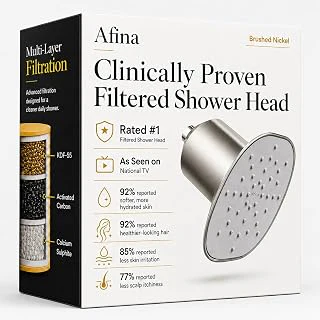
Shower filters reduce chlorine and other chemicals in your shower water. They typically use KDF media and activated carbon to convert chlorine and adsorb organic compounds. This can improve the feel of water on your skin and hair, reducing dryness and irritation.
However, shower filters are not water softeners. They do not remove calcium and magnesium ions that cause hardness. If you have hard water, a shower filter alone will not solve scaling or soap scum issues.
Do You Need a Shower Filter?
If you have municipal water, your water likely contains chlorine, which can dry out skin and hair. A shower filter can reduce chlorine exposure, which may benefit your skin and hair health. If you notice dry, itchy skin or brittle hair after showers, a filter might help.
If you have well water, chlorine may not be present, but other contaminants like iron or sulfur could be an issue. Test your well water first to determine if a shower filter is appropriate. A standard shower filter will not address hardness or heavy metals.
How to Choose a Shower Filter
When selecting a shower filter, consider the filtration media. KDF and activated carbon are common and effective for chlorine reduction. Some filters include vitamin C, which can neutralize chlorine and chloramine. Look for NSF certification to ensure the filter meets specific standards.
Check the flow rate to ensure it won't reduce your shower pressure too much. Also, consider the filter lifespan and replacement cost. Most filters need cartridge changes every 3-6 months, so factor that into your budget.
Compare shower filters with shower heads that have built-in filters. Built-in filters may be more convenient but can be more expensive to replace. Choose based on your maintenance preference and budget.
Installation and Maintenance
Installing a shower filter is usually simple. First, remove your existing shower head by unscrewing it from the shower arm. Wrap plumber's tape on the threads of the shower arm. Screw the filter onto the arm, then attach the shower head to the filter. Tighten by hand or with pliers, but avoid overtightening.
Maintenance involves replacing the filter cartridge regularly. Most manufacturers recommend every 3-6 months, depending on water quality and usage. Some filters have a lifespan indicator that changes color when it's time to replace. Follow the manufacturer's instructions for your specific model.
Limitations and Alternatives
Shower filters have limitations. They do not soften water, and they do not targets only the contaminants identified in the exact model evidence. For comprehensive treatment, consider a whole-house filter that treats all water entering your home. This can address chlorine, sediment, and other issues at the source.
For hard water, a water softener is the most effective solution. Softeners use ion exchange to remove calcium and magnesium, preventing scale buildup and improving soap lather. However, they are more expensive and require regular salt refills.
Frequently Asked Questions
Here are answers to common questions about shower filters. Do shower filters soften water? No, most do not. How often should I replace my shower filter? Typically every 3-6 months. Will a shower filter help with hard water? No, it won't. Are shower filters worth it? If you have chlorine in your water, they can improve skin and hair. Do they work for well water? Only if you add chlorine to your well water; otherwise, they may not address your specific issues.
Common questions
Frequently asked questions
Do shower filters soften water?
No, most shower filters do not soften water. They reduce chlorine and other chemicals, but hardness minerals like calcium and magnesium require a water softener or a shower filter with ion-exchange resin, which is rare. If you have hard water, consider a whole-house softener instead.
How often should I replace my shower filter?
Typically every 3 to 6 months, depending on usage and water quality. Some filters have a lifespan indicator that changes color when it's time to replace. Always check the manufacturer's recommendation for your specific model.
Will a shower filter help with hard water?
No, standard shower filters do not remove hardness minerals. For hard water, consider a water softener or a shower filter specifically designed with ion-exchange resin, but these are less common. A shower filter will not prevent scale buildup or improve soap lather.
Are shower filters worth it?
If you have municipal water with chlorine, a shower filter can reduce chlorine exposure, which may improve skin and hair. However, they are not a solution for hard water or comprehensive contaminant removal. Weigh the cost of replacement cartridges against the potential benefits.
Do shower filters work for well water?
Shower filters can reduce chlorine if you add chlorine to well water, but they do not address other well water issues like iron, sulfur, or hardness. Test your well water first to identify specific contaminants, then choose an appropriate treatment.
Summary
What to remember
Filtering shower water is a practical step to reduce chlorine exposure and improve skin and hair comfort. Choose a shower filter with KDF and activated carbon for municipal water, and replace the cartridge every 3-6 months. For hard water, consider a water softener instead. Always test your water source to ensure you're addressing the right contaminants.